CRF / RESEARCH DESKEDITORIAL & MARKET STUDIES

THE WORK BEHIND THE FOOD

FOOD.
THEN MARKET.

What is the product, what can the evidence establish, and which commercial questions remain unanswered?

EXPLORE THE RESEARCH RESEARCH / FIELD DOSSIERS / METHODS
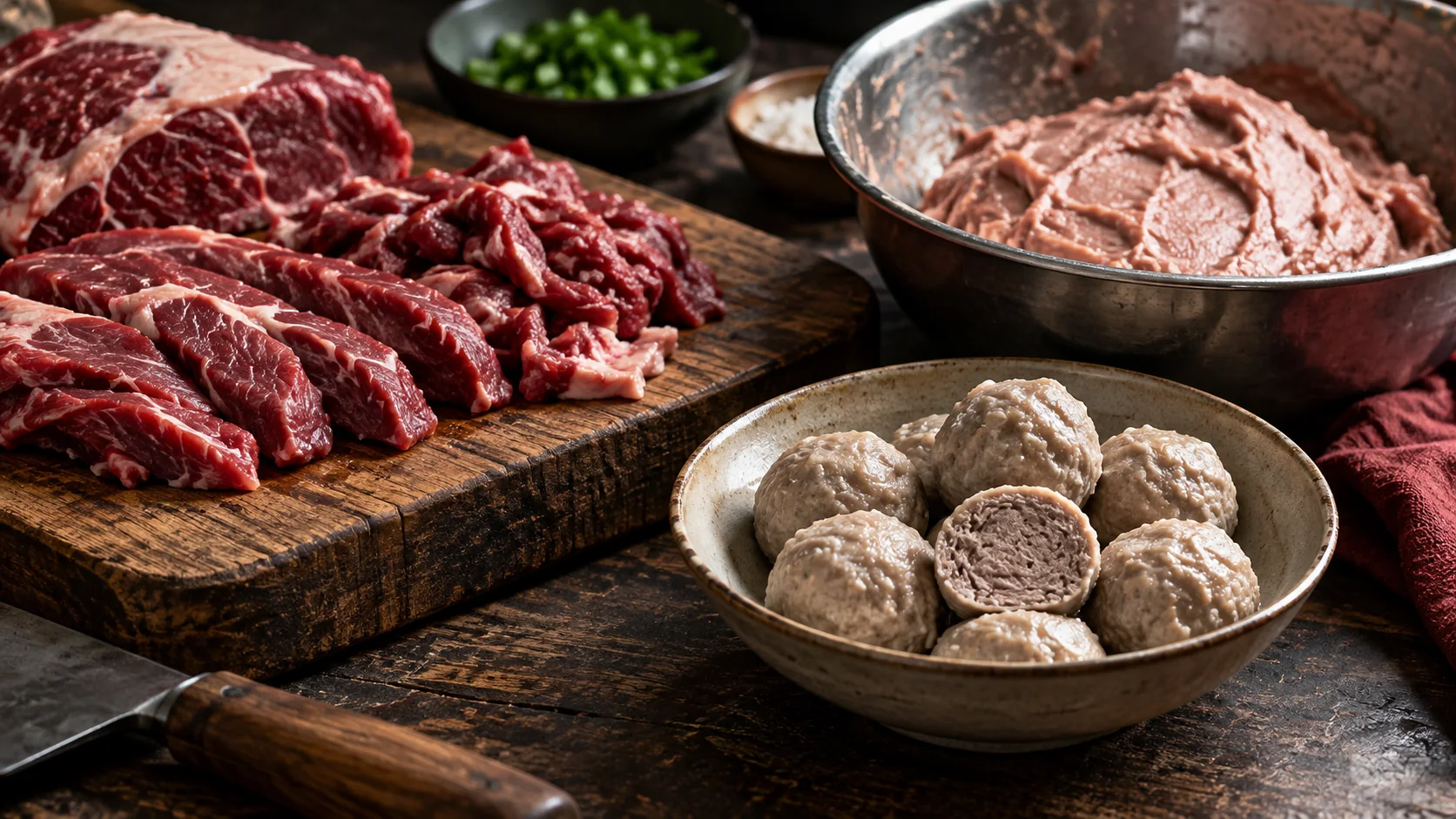
AI-generated editorial illustration of beef, meat paste and beef balls on a preparation table; not a field photograph
FOOD IDENTITY / PRODUCT EVIDENCEAI-GENERATED EDITORIAL ILLUSTRATION

A regional name
is a starting point.

China Regional Foods follows the connection between a food's place of origin, the product actually offered for sale, and the evidence available about its market.

Different questions call for different forms of research. Our published field dossier and developing product-to-market study are shown separately below.

Follow the
evidence.

A research record is useful only when its scope and status are clear. A working brief is not a completed report.

001 / PRODUCT-TO-MARKET BRIEFRESEARCH IN PROGRESS

Guizhou
Sour Soup in the UK

A planned evidence-based look at identifiable products, their competitive positioning and market-entry questions in the United Kingdom.

RESEARCH QUESTION / NOT A FINDING

Which existing products are genuinely comparable—and what could a new entrant reasonably investigate next?

The study is not published. No market opportunity, sales figures or import eligibility is asserted here.

Three things
before a conclusion.

Our method concentrates on the points that can change a real decision—without treating a retail listing, supplier claim or published standard as proof of something it cannot establish.

01

Identify the actual food.

Separate regional names, product types, formulations and distinct SKUs before comparing them.

02

Check the evidence.

Keep source dates and product conditions attached. Distinguish official rules, seller descriptions and our own analysis.

03

State what follows.

Explain what the evidence supports, what would change the conclusion, and which questions still need direct confirmation.

READ THE EDITORIAL METHOD
RESEARCH NOTE / SCOPE

A listing is not a sale.
A name is not a specification.
A source is not a verdict.

Current public records can help identify relevant products, standards and businesses. They do not by themselves establish transaction volumes, current production capacity, product safety or destination-market eligibility for a particular SKU.

That boundary is part of the research, not a footnote to hide.

SEE HOW THIS APPLIES TO BEEF BALLS
Researching a particular Chinese regional food?

Explore our buyer-facing sourcing research approach, from product definition to potential supplier identification.

FOR BUYERS ↗